Few areas of a vehicle are as quietly most important - or as continually unnoticed - as its glass. Windshields, part windows, and rear glass have formed no longer simply the car’s seem however additionally its safe practices tale. The avenue from brittle plate glass to nowadays’s multi-layered, repairable windshields is a story complete of trial, errors, and ingenuity. Understanding how car glass restore constructed through the years reveals simply how a lot craftsmanship and science now move into what could look like a easy restoration for a chipped windshield.
Early Days: Plate Glass and Its Perils
The first automobiles wore their glass very nearly like earrings: skinny panes set into brass frames, offering little extra than protection from insects and wind. Until around 1920, most autos used abnormal plate glass - the comparable kind determined in residences at the time. It became transparent ample to look by way of but unforgiving lower than pressure. Even a modest stone would crack it; in collisions, plate glass shattered into harmful shards that commonly precipitated more injury than the twist of fate itself.
People didn’t repair automobile glass then. If you broke it, you changed it - assuming you bothered in any respect. Some early drivers with no trouble eliminated cracked panes in preference to pay for brand spanking new ones. The thought of fixing a chip or crack wasn’t on a person’s radar.
Laminated Safety Glass: A Turning Point
Everything replaced in 1927 whilst Ford commenced fitting laminated safeguard glass as same old appliance in some items. This innovation sandwiched a thin plastic layer (repeatedly cellulose nitrate or cellulose acetate) between two sheets of glass. A rock may want to nonetheless chip or crack it, but the interior layer held the fragments mutually, reducing the risk of damage.
Laminated glass reworked each defense and restoration chances. No longer did every ruin mean overall replacement. Minor chips incessantly stayed contained throughout the outer layer, quite with careful using and activate awareness.
Yet repairs had been nonetheless rare. Most frame shops lacked tools or methods to cope with anything beyond complete alternative. Insurance prone not often blanketed chipped windshields unless they threatened imaginative and prescient or structural integrity.
The Rise of Tempered Glass
While windshields went laminated for safety, many side and rear home windows switched to tempered glass by way of mid-century. Tempering consists of heating recurring glass to excessive temperatures before speedily cooling it, creating interior stresses that make it more durable opposed to well-known impacts.
Tempered glass resists small chips superior than old plate sorts yet shatters totally beneath force - famously breaking into tiny cubes rather then sharp shards. It’s more secure in an twist of fate yet most unlikely to fix as soon as broken; replacement stays the basically possibility if broken.
Windshields persevered via laminated structure on the grounds that policies demanded equally visibility after have an impact on and resistance to ejection throughout crashes.
Birth of Modern Windshield Repair
The genuine evolution in car glass fix all started in earnest all the way through the Seventies oil challenge. Rising gas prices made people hang onto vehicles longer, sparking call for for within your means fixes that prevented expensive replacements.
In 1971, Dr. Frank Werner patented one of many first useful windshield chip fix strategies inside the United States. Using transparent resin injected into small cracks and chips underneath vacuum tension, his strategy restored electricity and multiplied clarity devoid of eradicating the overall pane.
This invention converted expectations overnight:
- Windshield chip repair turned into doable for ruin as much as about an inch throughout. Drivers now not had to dwell with distracting blemishes or fork out for replacement at every ding. Insurance organizations warmed up to masking maintenance rather then footing far top expenses for brand spanking new windshields.
Early resin formulas cured slowly and oftentimes yellowed over time, extraordinarily beneath mighty sunlight. Yet even this imperfect resolution marked a bounce ahead compared to pre-restoration days.
How Techniques Improved Over Time
As motors developed - curved windshields changed into time-honored with the aid of the late Nineteen Seventies - so did needs on restore tricks. Technicians faced new demanding situations: matching complex contours, managing tinted layers or embedded antennas, retaining built-in sensors like rain detectors or lane-departure cameras.
Resin formulations grew clearer and better by way of chemical engineering advances inside the 1980s and beyond. UV-curing lamps cut hardening instances from hours to minutes when recuperating transparency noticeably.
Repair tools additionally developed:
- Early kits trusted handbook pumps; modern procedures use detailed vacuum injectors. Multi-degree cleansing exercises lowered infection which could cloud maintenance. Temperature controls enable techs paintings yr-around with no sacrificing excellent.
For illustration, I keep in mind my first run-in with a celebrity-formed chip on a shopper’s 1988 Buick LeSabre windshield at some stage in an icy February morning in Chicago. The cold intricate the whole lot - resin thickened too soon if no longer pre-warmed correct, making readability troublesome to acquire. With this present day’s temperature-controlled kits, that task could take 1/2 as lengthy with stronger effects.
What Makes a Good Repair?
Not each and every chip can be constant equally neatly; elements like dimension, intensity, situation, airborne dirt and dust intrusion (and routinely driving force impatience) determine consequences more than any unmarried product claim does.
A neatly-performed windshield chip repair restores about 90% of optical clarity whilst seen straight-on - enough that so much drivers omit where ruin as soon as was once after every week at the back of the wheel. Structurally conversing, injecting resin halts extra cracking by using redistributing rigidity along microscopic fissures inside laminated layers.
But there are limits:
If a crack runs longer than approximately three inches (in many instances less), resin on my own can not preclude spreading across bumpy roads or thermal swings. Repairs close to sensor clusters want exact care to prevent interfering with electronics. Dirt trapped within ancient chips makes applicable clarity unimaginable; well timed action subjects greater than maximum detect. Many technicians have struggle reviews approximately attempted “fixes” gone incorrect while owners waited months beforehand in search of lend a hand or attempted DIY kits that left cloudy spots behind.
A Quick Guide: When Repair Works Best
Most professionals have faith in these suggestions-of-thumb previously trying windshield chip fix:
Damage smaller than 1 / 4 (approximately one inch) responds most suitable. Cracks shorter than three inches might be stabilized if taken care of rapidly. Chips outside direct line-of-sight pose fewer optical worries after restore. Laminated windshields merely; tempered side/rear windows should not be repaired appropriately. Cleanliness counts: fresher chips yield clearer outcomes because of much less grime/water intrusion.Shifting Standards: From Artisan Craft To Everyday Service
What began as a specific thing resembling wizardry (and in the main reserved for top-finish vans) regularly turned mainstream for the period of the Nineteen Nineties and early 2000s as the two public awareness and insurance plan regulations caught up with era.
Shops started out equipping vans with transportable restore rigs; technicians found out methods for adapting resin viscosity based totally on climate circumstances or matching tint colors for luxury items from BMW or Lexus.
By round 2010, countrywide chains advertised related-day telephone provider that can fix so much cracks curbside at homestead or paintings devoid of disposing of your motor vehicle from provider for lengthy spells.
Regulations & Insurance Drive Adoption
One unsung hero behind widely used adoption become the assurance business itself: seeing archives displaying maintenance settlement much less than full replacements by way of an order of significance (broadly speaking $50-$a hundred consistent with fix as opposed to $400+ in line with new windshield), many insurers waived deductibles entirely while consumers selected qualified repairs over replacements.
Regulatory bodies joined in too:
- U.S Federal Motor Vehicle Safety Standards set minimum requisites for motive force visibility submit-restore. European Union laws harmonized ideas across borders so drivers would trip between international locations devoid of legal headaches over repaired windscreens.
These steps helped construct agree with among motorists who’d previously fearful about “patched” windshields failing inspection or resale exams down the road.
High-Tech Glass Brings New Challenges
Today’s automobile glass isn’t simply clearer or better; it’s smarter too - bristling with embedded sensors for rain detection, heads-up reveals projecting speed quickly onto your viewline, warmers woven into reduce edges in opposition to frost buildup.
All these good points complicate even straight forward upkeep:
A technician have got to discover even if any electronics run near under obvious chips formerly drilling or injecting resin lest they brief out sensitive wires. Repairs will have to restoration optical clarity now not just for human eyes yet additionally for lidar sensors used by progressed motive force-counsel strategies (ADAS). Calibration routines after paintings be certain lane-departure cameras remain excellent put up-restore.
For illustration: Several years ago I tackled a minor bullseye chip properly the place a heated wiper park portion ran below the floor on a Subaru Outback windshield. Careful mapping formerly let me forestall adverse invisible filaments hidden within layers I couldn’t see straight away yet knew had been there from company specifications.
Modern classes now contains modules on ADAS calibration and dependable coping with practices around excessive-voltage accessories stumbled on near electric powered vehicle glazing.
Do-It-Yourself Kits vs Professional Service
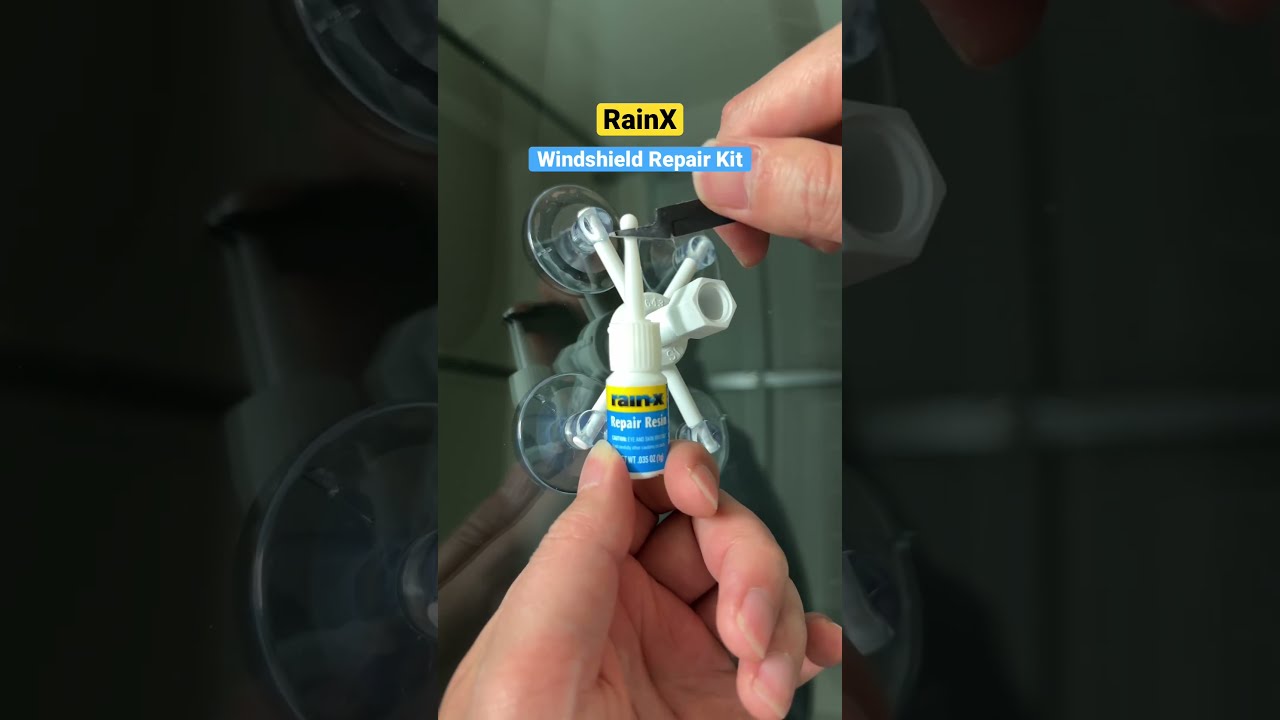
With substantial-box retailers stocking DIY chip-repair kits promising instant fixes for $15-$25 apiece, many surprise regardless of whether calling a seasoned makes feel anymore.
DIY recommendations can stabilize very contemporary damage if dealt with carefully by using human being patient sufficient to follow classes exactly:
Clean part wholly the usage of supplied razor blades/alcohol pads. Apply equipped bridge/injector meeting headquartered exactly over destroy aspect. Inject resin as a result of hand plunger except cavity fills entirely (glance closely from extraordinary angles). Cure beneath UV lamp/daylight in line with package commands devoid of moving assembly in advance. Scrape away excess cured resin lightly after removal.Still, pros deliver importance beyond simply material:
Skill at judging which harm styles will yield acceptable results, Access to industrial-grade resins/curing apparatus, Experience operating around embedded sensors/electronics, Warranty insurance policy if a specific thing is going wrong later, Documentation prevalent by insurers/dealerships all through resale/trade-in inspections.
I’ve seen a couple of enthusiastic DIYer leave permanent blur marks lifeless-center on expensive panoramic roofs on account that air bubbles trapped interior not at all labored their way out formerly curing entire.
Sustainability Matters Too
Repairing rather than changing saves more than dollars: every steer clear off substitute ability much less waste sent to landfills (a regular up to date windshield weighs between 25–forty pounds). Recycling old automobile glass remains complex with the aid of laminates/plastic motion pictures fused interior maximum panels.
Some department stores assemble scrap cloth for specialised recycling centers capable of separate layers chemically other than sending the entirety straight into dumpsters.
Plus there’s electricity saved avoiding manufacture/shipment/installation cycles required by way of new OEM materials.
Cumulatively throughout thousands of cars each one 12 months global this provides up: estimates counsel extensive adoption of windshield chip fix prevents 1000's of lots of needless landfill annually.
What Lies Ahead?
As automakers proceed integrating ever extra technologies into auto glazing - imagine augmented certainty overlays projected in an instant onto your area-of-view or shrewd windshield replacement Anderson Creek sensors tracking cabin air pleasant as a result of micro-perforations - destiny upkeep will solely grow more not easy.
Expect ongoing advances in resin chemistry tailor-made above all for ultra-transparent optics suitable with subsequent-gen heads-up presentations.
Training specifications will improve similarly so techs can interface seamlessly with related car or truck diagnostics publish-repair.
There also can come a day while positive damages are self-clinically determined by using your personal car alerting you with the aid of dashboard message in the past you even understand them your self.
Whatever comes subsequent however one aspect seems confident: so long as there are rocks on highways and autos zipping prior vans full of unfastened gravel skilled hands armed with skills will stay looking ways to keep exact glass from unnecessary waste - restoring either purpose and peace-of-brain mile after mile.
Word Count: ~1,750